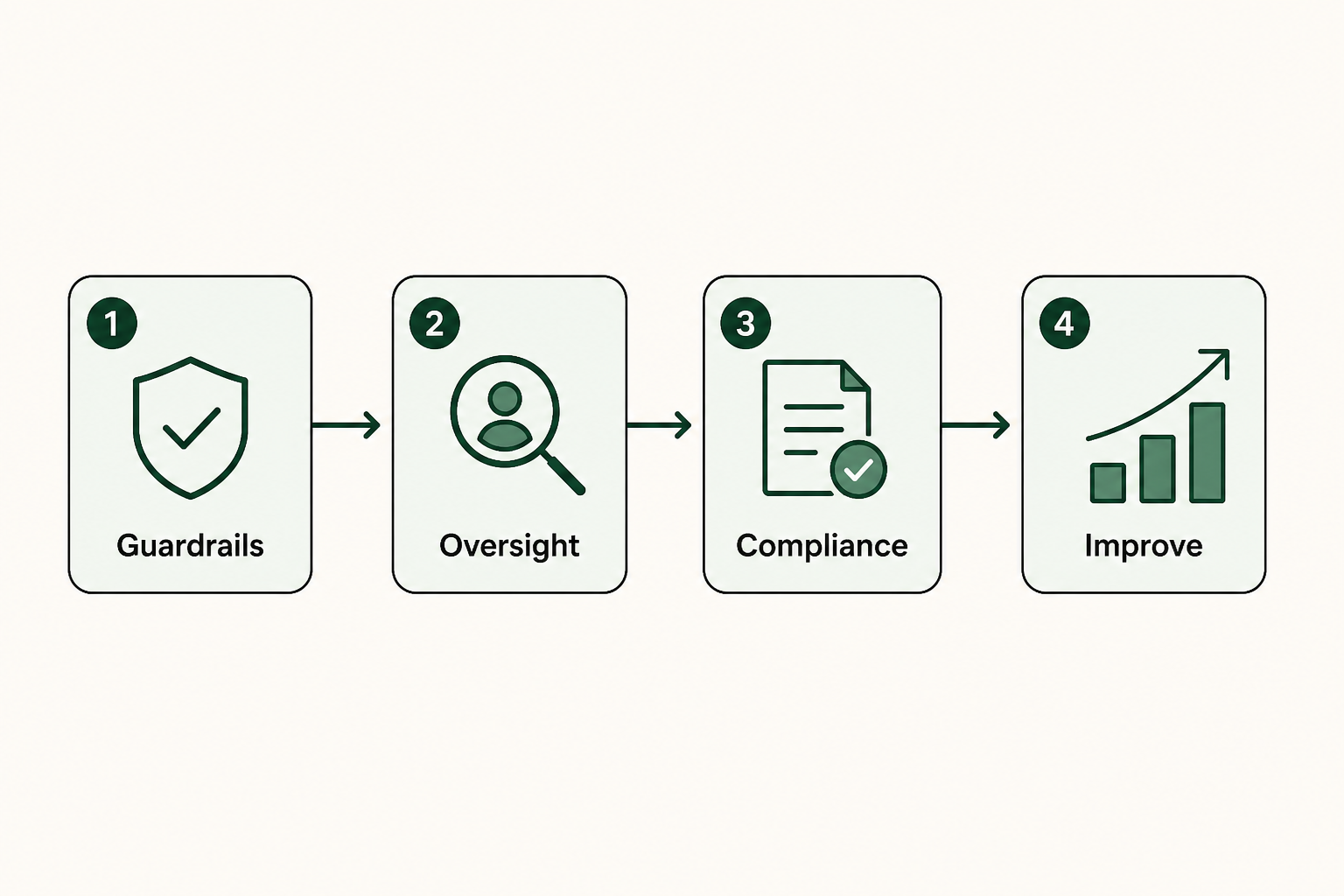
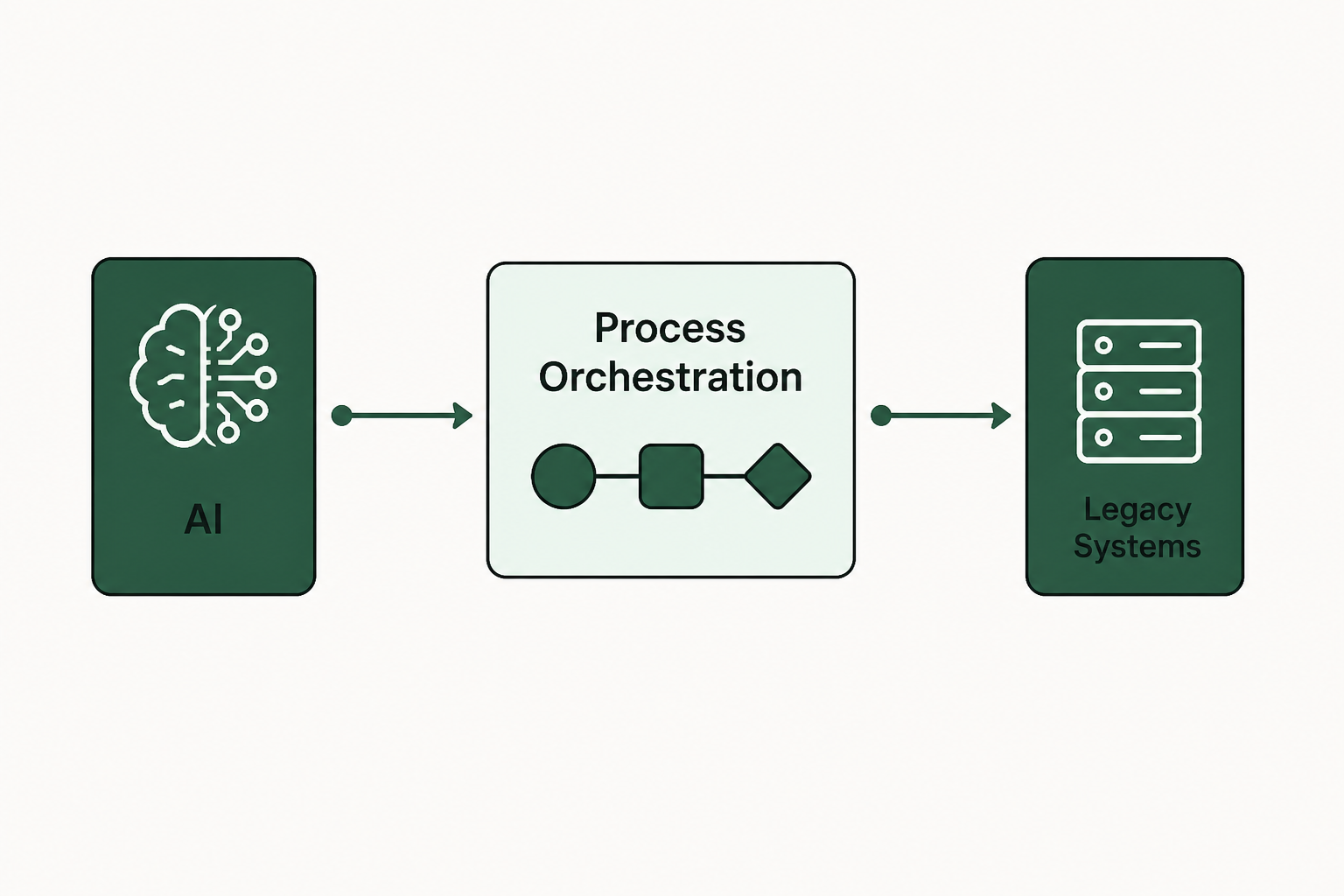
The hard part is no longer getting an agent to answer a question. It is letting that agent touch the ERP, CRM, claims system, admin portal, or mainframe without creating a control problem. AI integration platforms simplify the connection between AI agents and complex enterprise systems, especially legacy ones, by providing secure, controlled access that reduces custom engineering and moves agents from chat into governed execution. This ranked list is for leaders in enterprise applications, integration, automation, the CIO organization, the CAIO organization, and transformation who are choosing among three serious platform types: a governed execution layer for hard-to-reach systems, an AI security control plane, and a vertical data-integration platform for regulated clinical workflows.
What are AI integration platforms and why do they matter?
An AI integration platform gives agents a controlled way to read from and act inside enterprise systems. That matters because the agent may be the brain, but the operating path into business software is the hands. Without that path, the agent stops at recommendations, and an employee still has to switch systems, copy data, interpret permissions, and complete the work manually.
The demand signal is clear enough to treat this as an operating issue, rather than a lab experiment. Deloitte found that more than three-quarters of businesses are currently using at least one AI-enabled digital platform tool,com/southeast-asia/en/services/consulting/analysis/ai-business-apac-trends-platform-adoption.Deloitte found that more than three-quarters of businesses are currently using at least one AI-enabled digital platform tool, which means many enterprises already have AI somewhere in the stack. The gap is execution. A useful enterprise agent needs system context and permissions, plus process rules, audit trails, and deterministic workflows that keep changes predictable.
How we evaluated the top platforms
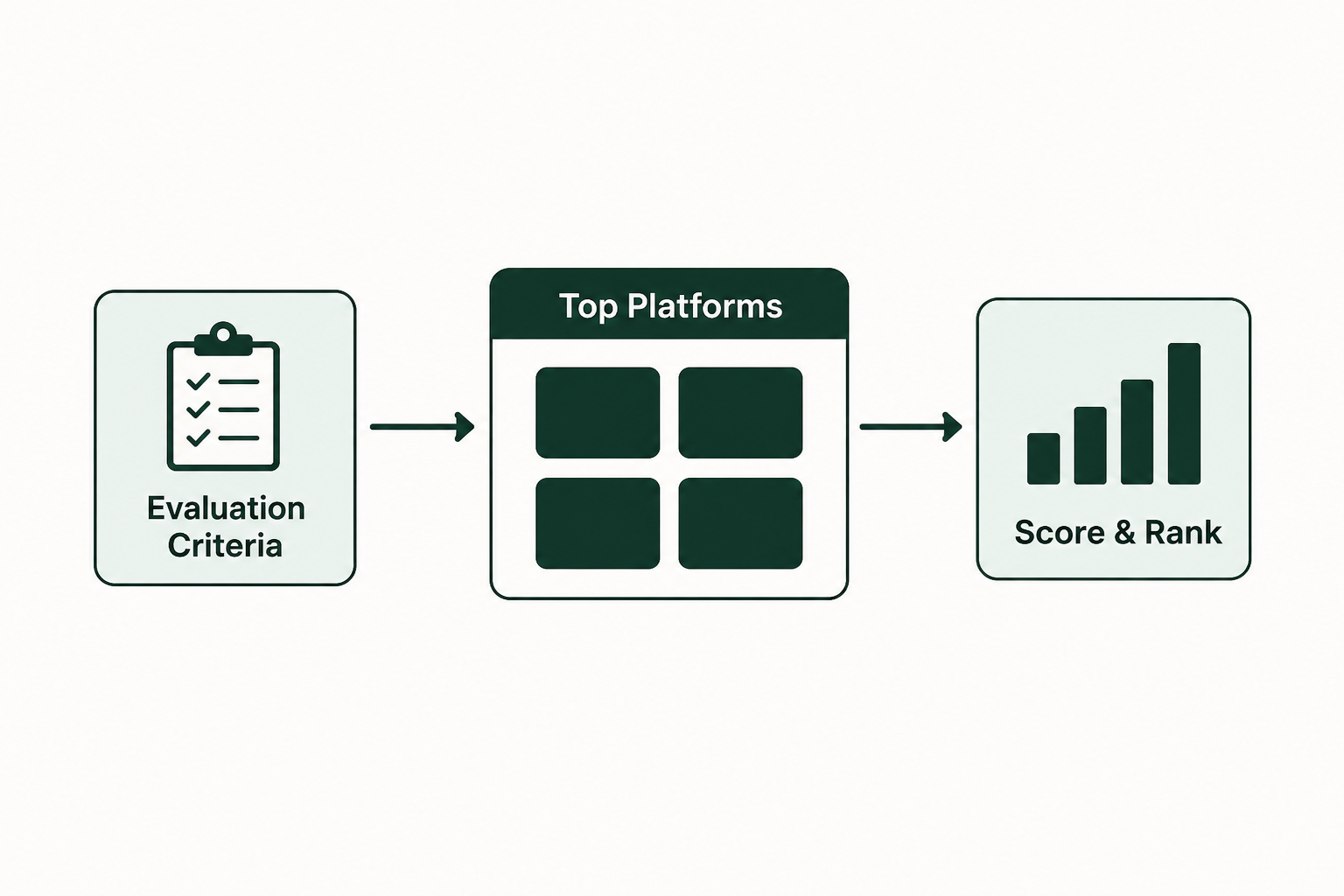
Once the category is defined around execution, the selection criteria become sharper. The ranking favors enterprise usefulness over broad AI ambition. A platform earned its place if it addresses the operational bottleneck that blocks agent deployment: safe access to real systems, especially systems that were never designed for agentic use.
The evaluation used five criteria, weighted toward production control rather than demos:
- Legacy and no-API reach The strongest platforms can work across enterprise systems that include legacy systems, homegrown portals, bespoke admin tools, and no-API systems, rather than only modern SaaS applications.
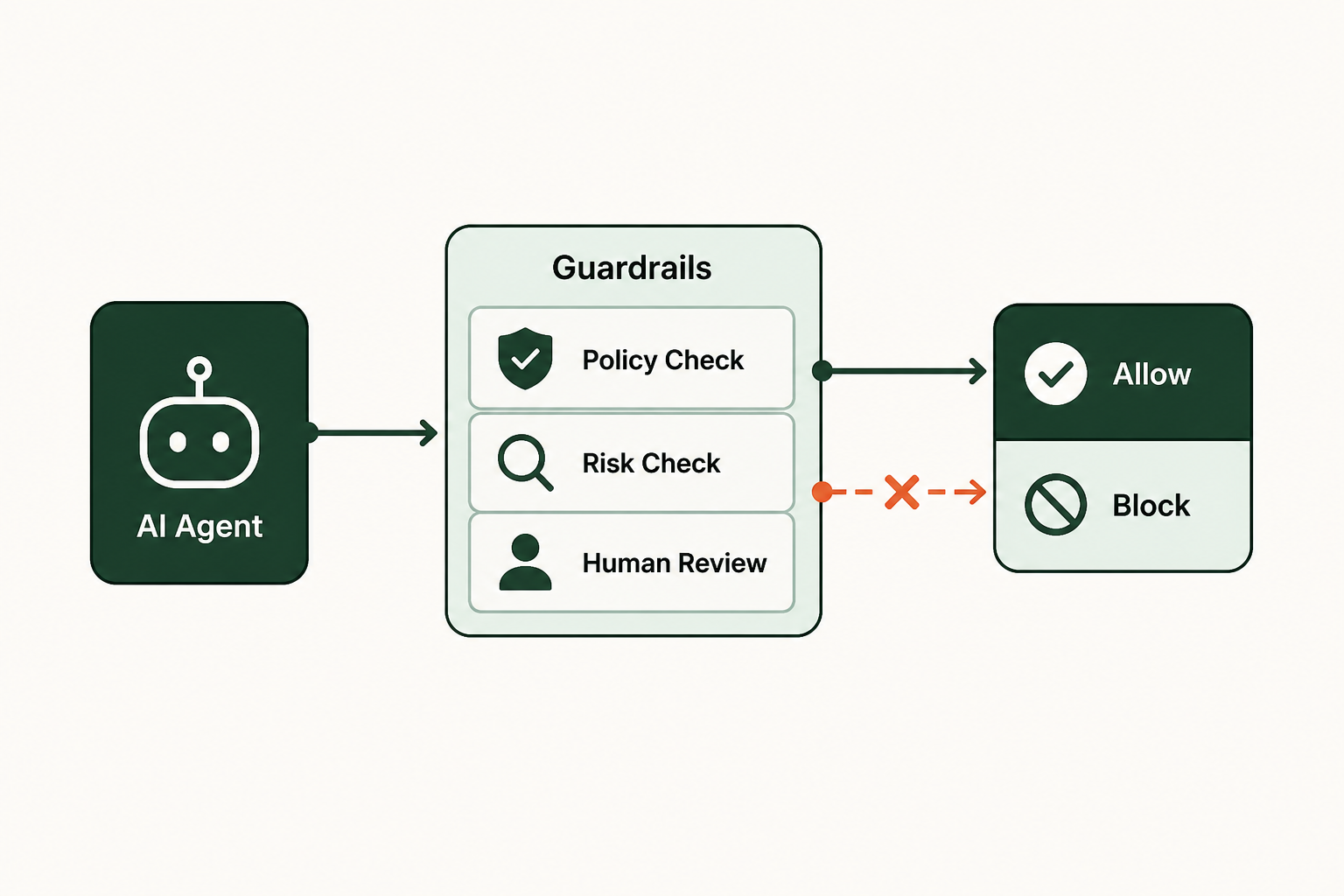
- Governed execution The platform needs policy, monitoring, permissions, and audit controls around what an agent can do, because an unrestricted agent connected to core systems creates unacceptable operational risk.
- Fit for deterministic workflows Enterprise processes often need known paths, known outcomes, and repeatable handling. Platforms ranked higher when they support deterministic workflows instead of leaving execution open-ended.
- Security and compliance posture AI integration is tied to access control and sensitive data, with runtime policy and system hardening also in scope, so security coverage matters even when the platform's main job is connectivity.
- Engineering cost discipline The best option reduces custom engineering and consultant dependency. That does not mean zero setup in every case, but it does mean the platform is designed to avoid turning every connection into a bespoke integration program.
The market pressure behind these criteria is not theoretical. Forbes Advisor reports that the AI market is projected to reach $1,339 billion by 2030, up from an estimated $214 billion in revenue in 2024. That level of spend raises the bar. Leaders need agent infrastructure that can pass security review and process-owner scrutiny while respecting system-level operating constraints.
 How we evaluated the top platforms
The top AI integration platforms at a glance
Measured against those criteria, the strongest options do not all solve the same problem. They represent different answers to the same enterprise question: how should AI be allowed to interact with systems that carry real operational consequences?
| Rank | Platform | Best for | Headline strength | Main trade-off |
|---|---|---|---|---|
| 1 | Upware | Agents acting across legacy, homegrown, and no-API systems | Governed execution through an Agentic Harness | Focuses on execution, not agent-building |
| 2 | PointGuard AI | Enterprises prioritizing AI security across agents and applications | Lifecycle security controls for AI and agentic systems | Security depth comes before broad system integration |
| 3 | CRIO/Medidata | Clinical research organizations moving regulated trial data | Automated transfer from CRIO eSource into the Medidata Platform | Narrow fit outside life sciences |
The ranking puts the execution layer first because enterprise AI fails most often at the point where the agent needs to change a system of record. Security and vertical data automation are still valuable, but they answer different buying questions.
1. Upware: best for governed execution on legacy systems
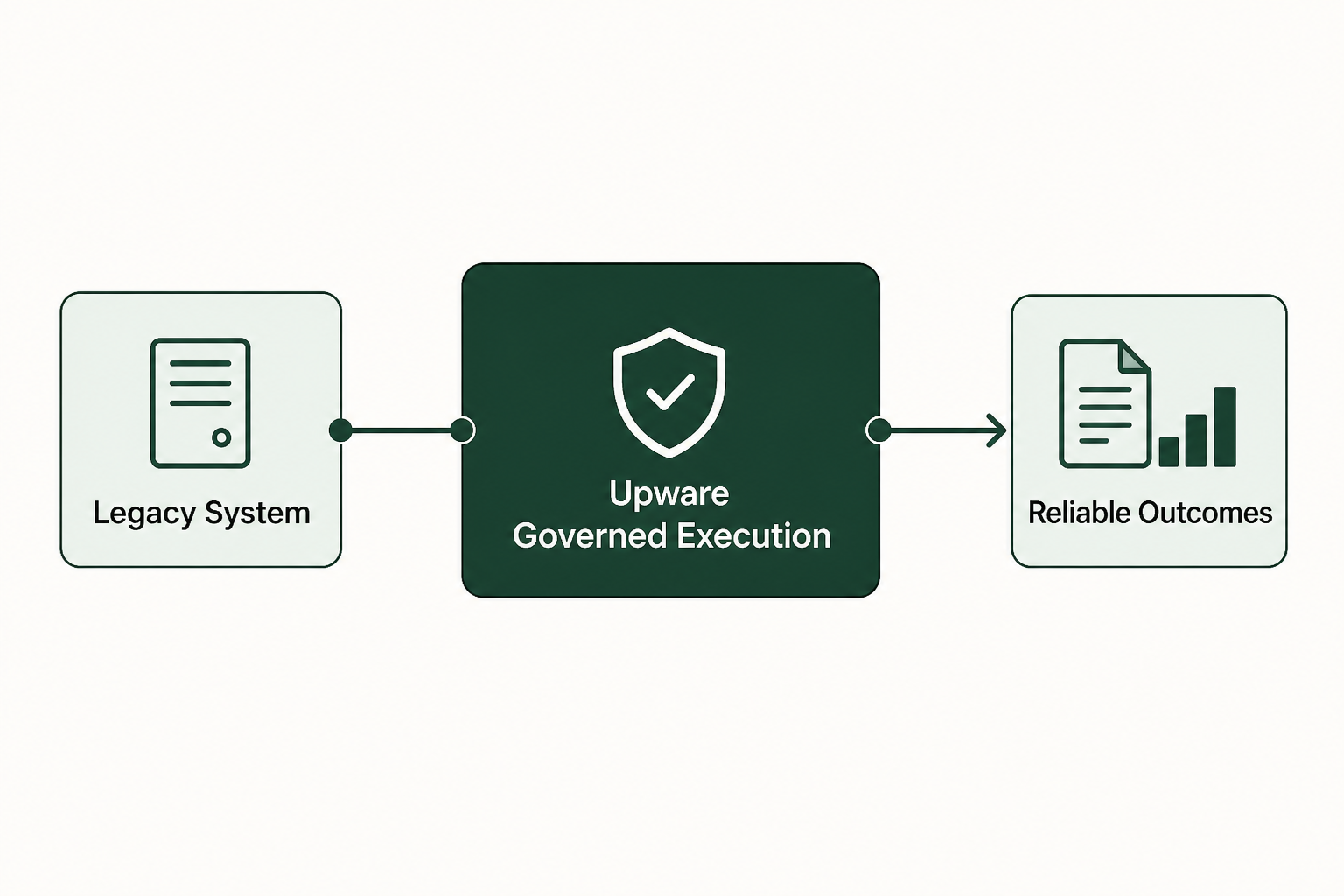
The top recommendation addresses the hardest enterprise constraint: connecting agents to the systems that actually run the business. An Agentic Harness is the controlled operating path between an AI agent and the applications it needs to use. The agent decides what needs to happen, while the Agentic Harness controls how that work gets executed, monitored, governed, and audited.
This platform is best for enterprise teams that already have credible agent use cases but are blocked by system connectivity, authorization concerns, or legacy estate complexity. The relevant environment is familiar: ERP screens, CRM records, internal portals, mainframes, homegrown admin tools, and workflows that span more than one application. Direct access is too risky, and custom integrations slow the business case.
The Agentic Harness advantage
The standout strength is governed execution across hard-to-reach enterprise systems without making every connection a custom build. The platform connects enterprise, legacy, homegrown, and no-API systems through a single gateway to connect and monitor AI interactions, with governance and audit built into the same path. That matters because integration and authorization are usually intertwined. A process owner may approve an agent's goal but still reject unrestricted access to the underlying system.
Its operating model centers on control. The platform is designed for deployment in days, with zero engineering resources, and it supports 100% predictability in runtime through deterministic workflows. It also targets up to 80% lower token costs by keeping execution structured and cost-disciplined. Those figures should be read in their proper scope: they are platform proof points, not a promise that every enterprise workflow carries no setup or no operational review.
 1. Upware: best for governed execution on legacy systems
Core trade-off: focus on execution, not agent orchestration
The main trade-off is intentional. This is not the platform to choose if the primary goal is building many experimental agents, prompt chains, or conversational prototypes. Its value is the execution layer, meaning the controlled path that lets an already useful agent operate across enterprise systems.
That focus is exactly why it ranks first for this use case. Enterprises do not usually fail because they cannot imagine an agent. They fail because the agent cannot safely complete the task in production software. Governed execution is the difference between a demo that suggests an action and an operational agent that carries out approved work inside existing systems.
2. PointGuard AI: best for end-to-end AI security
After execution, the next priority is control over the broader AI estate. PointGuard AI is best for security, risk, and platform teams that need visibility and runtime controls across AI applications, models, agents, and integrations. If the urgent question is "What AI assets do we have, and how do we control them?", this category deserves attention.
Standout strength: AI security posture across the lifecycle
The platform's standout strength is coverage across the AI lifecycle. Gartner describes PointGuard AI Platform as securing AI applications and agent-driven systems with AI Discovery and Inventory, AI Security Posture Management, AI Security Testing (including AI Red Teaming), AI Anomaly Detection, Guardrails, AI DLP, Access Control, and an Agentic Gateway. That is a broad security control set, and it maps well to enterprises worried about prompt injection, data exposure, unapproved AI assets, and runtime misuse.
PointGuard AI also helps enterprises manage security risks tied to AI and agentic systems, including AI asset discovery, anomaly detection, system hardening, and policy-based runtime controls. For organizations building a formal AI security program, that breadth is useful because agents introduce access patterns that traditional application security programs were not designed to inspect.
Core trade-off: security focus over integration depth
The trade-off is that security coverage is not the same as governed execution inside every enterprise system. A security control plane can inspect, restrict, and monitor AI behavior, but it may not solve the full operational problem of reaching legacy systems, no-API systems, or bespoke workflows. Buyers should treat it as a strong security layer rather than a complete answer to agent execution across the enterprise estate.
3. CRIO/Medidata: best for clinical trial data integration
Security is one form of specialization; clinical research integration is another. CRIO/Medidata is best for clinical research environments where the integration problem is narrow, regulated, and costly to solve through custom configuration. The strongest fit is clinical trial data movement from site-level source systems into a trial platform.
Standout strength: automated clinical data transfer
The partnership between Medidata and CRIO automates the transfer of clinical data from CRIO eSource directly into the Medidata Platform. The stated value is removing technical complexity and high costs associated with custom configurations. In a regulated clinical environment, that kind of direct data path can reduce manual handling and make the integration model easier to standardize across participating sites.
The lesson for enterprise AI buyers is broader than life sciences. Industry context matters. A vertical platform can be the right choice when the workflow, data model, regulatory expectations, and system endpoints are well defined.
Core trade-off: highly specialized for life sciences
The limitation is also clear. This is not a general AI integration platform for agents operating across ERP, CRM, service, finance, or homegrown enterprise systems. It is a strong example of targeted data integration in a regulated domain. If your problem is clinical trial data transfer, it belongs on the shortlist. If your problem is agent execution across a mixed enterprise estate, the fit is narrow.
The alternative: why not just use RPA-era automation suites?
The natural comparison is with tools many enterprises already own. RPA-era automation suites and integration and orchestration platforms can still be useful. They do well with known user-interface automation, scheduled jobs, API-based process flows, and repeatable back-office tasks where the process is stable and the system boundaries are clear.
What they leave unresolved is the agentic operating problem. Agents introduce variable intent, richer context, and cross-system decisions, while enterprise systems still require permissioning, audit, process discipline, and predictable change control. A bot that clicks through a screen is not the same as an AI agent deciding which action is appropriate and then executing that action under policy.
Those tools focus on building and orchestrating agents, but Upware centers on the governed execution layer between agents and enterprise systems. That distinction matters because the enterprise risk does not sit only in the model's answer. It sits in the moment the system is changed. The Agentic Harness model puts control and monitoring around that moment, with audit and deterministic workflows keeping governed execution in charge of the business process.
Who should skip AI integration platforms?
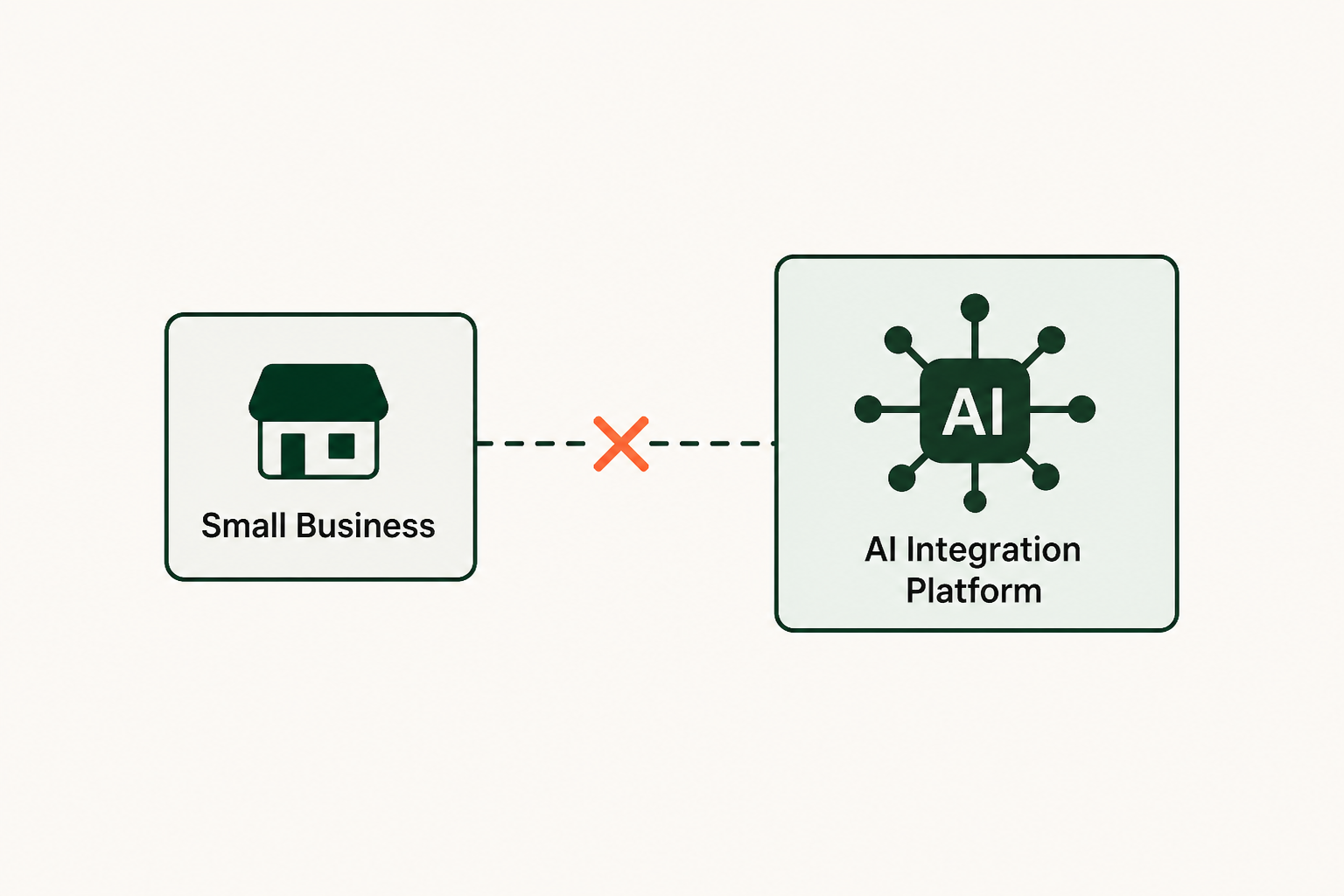
The same control requirements that make these platforms valuable also make them unnecessary in the wrong setting. The category is premature if the enterprise has no production-intent agent use case, no system action to automate, and no process owner willing to define what safe execution means. In that situation, the better work is use-case selection and governance design, not platform buying.
You should also skip this category, or delay the purchase, in a few common cases:
- Chat-only use cases If the agent only answers policy questions or drafts content, a governed execution layer may be more infrastructure than the use case requires.
- Single-system workflows with mature native automation If one modern application already handles the workflow with built-in approvals and audit, adding another layer may not be justified.
- Undefined ownership If security, application, automation, and business-process teams have not agreed who approves agent actions, the platform cannot compensate for missing accountability.
- Pure data migration projects If the goal is replacing systems or moving data estates, this category is the wrong buying lane.
 Who should skip AI integration platforms?
Find the right AI integration platform for your 2026 enterprise strategy.
Explore the capabilities of these solutions or connect with an expert to tailor your approach.
Frequently asked questions
What is the main benefit of using an AI integration platform?
The main benefit is controlled access. An AI integration platform gives agents a governed path into enterprise systems, especially legacy systems and no-API systems, so they can execute approved work without being handed broad, unrestricted access. For enterprise leaders, that means less custom engineering and clearer auditability, along with better control over how system changes happen.
How do I get started connecting my AI agents to enterprise systems?
Start with one production-intent workflow where the agent needs to read from or act inside a real system of record. Map the systems involved, the permissions required, the action the agent is allowed to take, and the audit evidence a process owner would need. From there, evaluate whether you need an execution layer, an AI security control plane, or a vertical integration tool.
How long does it typically take to see results from one of these platforms?
It depends on the workflow, systems, access model, and internal approvals. For governed execution across existing enterprise systems, platform proof points support deployment in days with zero engineering resources, but that should not be read as no planning or no governance work. The fastest results usually come from a bounded workflow with a clear owner and known success criteria.