4.6 / 5. Upware gives enterprise AI agents a controlled way to execute mainframe work without turning every transaction into a custom integration project.
A mainframe AI pilot usually breaks at the point where reasoning meets action. The agent can interpret a request, choose the next step, and explain why that step makes sense, but it still needs a safe way to press the buttons that matter. Modern mainframe automation connects AI agents and workflows to core legacy systems through governed gateways, bypassing custom code and terminal scraping. That is the practical value here: the agent remains the brain, while the Agentic Harness becomes the hands, enforcing governed execution before any change reaches a core system.
Upware verdict: a governed execution layer for legacy core systems
The case for Upware is strongest when buyers stop treating mainframes as if they were API-native systems waiting for a cleaner connector. Many are not. Legacy transaction screens, homegrown admin tools, and no-API systems often hold the work that makes an enterprise agent useful, so the real question is whether the agent can act through a controlled execution layer instead of improvising against a terminal.
The core verdict: why governed execution matters
Upware earns its score because it treats execution as the product, rather than leaving it to prompts, custom scripts, or brittle terminal replay. A specialized mainframe model evaluated on MainframeBench showed how domain-tuned AI can outperform general models on mainframe-specific tasks, including 30% higher accuracy than DeepSeek-Coder on multiple-choice questions; the evaluation also reported twice the BLEU score of Mixtral-Instruct 8x7B on question answering and six times the GPT-3.5 score on COBOL summarization in the MainframeBench evaluation. That evidence supports the broader point: reasoning is improving, but execution still needs controls.
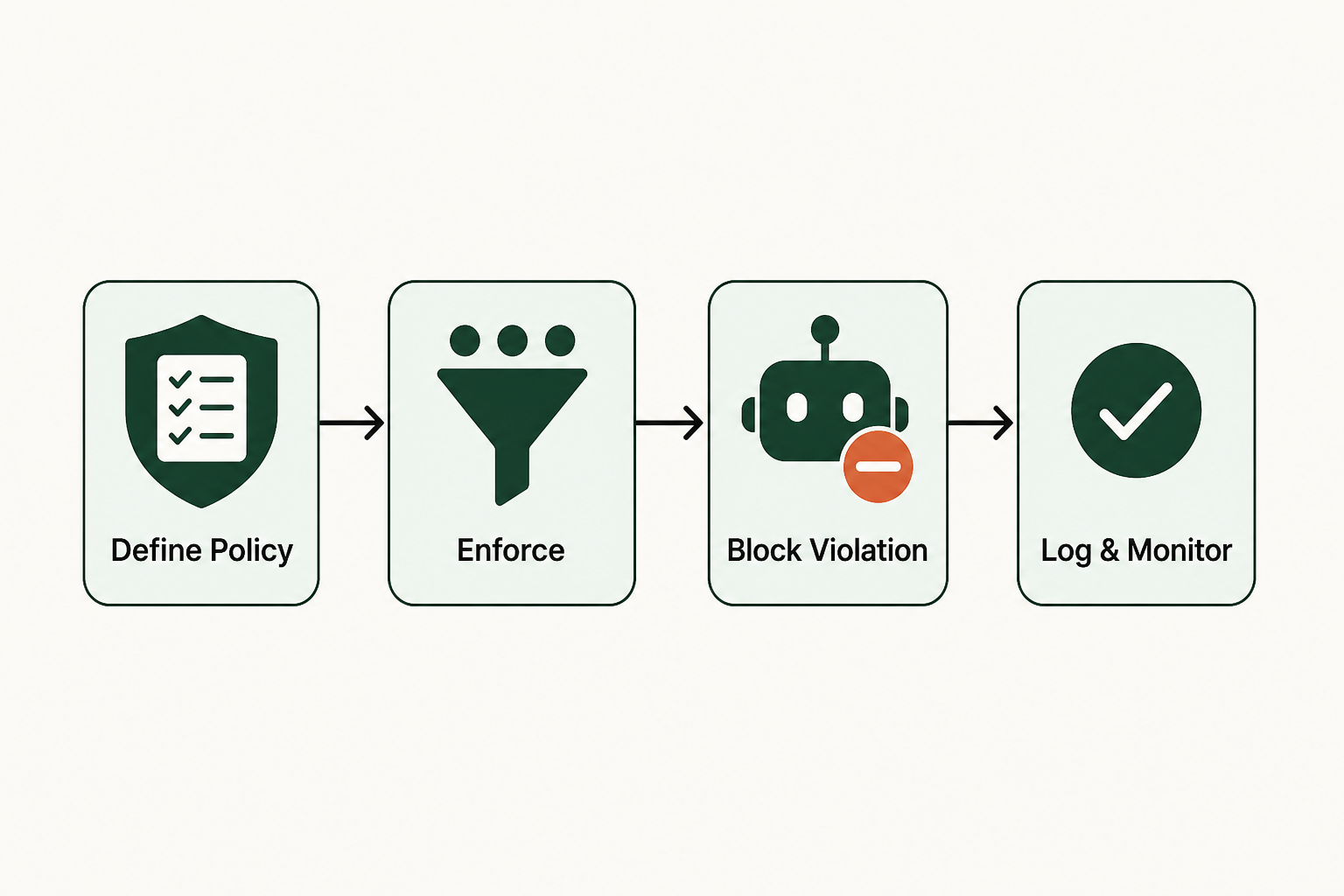
The Agentic Harness concept is straightforward. It connects the agent to enterprise systems through a governed path that captures context and leaves an audit trail while controlling actions and monitoring behavior. For teams already thinking through governed execution and guardrails, that framing is more useful than another agent builder because it makes the agent useful without asking security teams to accept unrestricted system access.
At a glance: capabilities and bottom-line score
The reported operating profile is strong: deployment in days, 0 engineering resources for implementation, up to 80% lower token costs, and 100% predictability in runtime. Those figures do not remove setup or governance work, and they do not eliminate risk. They mean the platform is designed to avoid the custom-code dependency that turns mainframe automation from an AI initiative into another integration backlog.
The bottom line is 4.6 / 5 for enterprise teams that need AI agents to act inside legacy systems under governed execution, audit, and cost control.
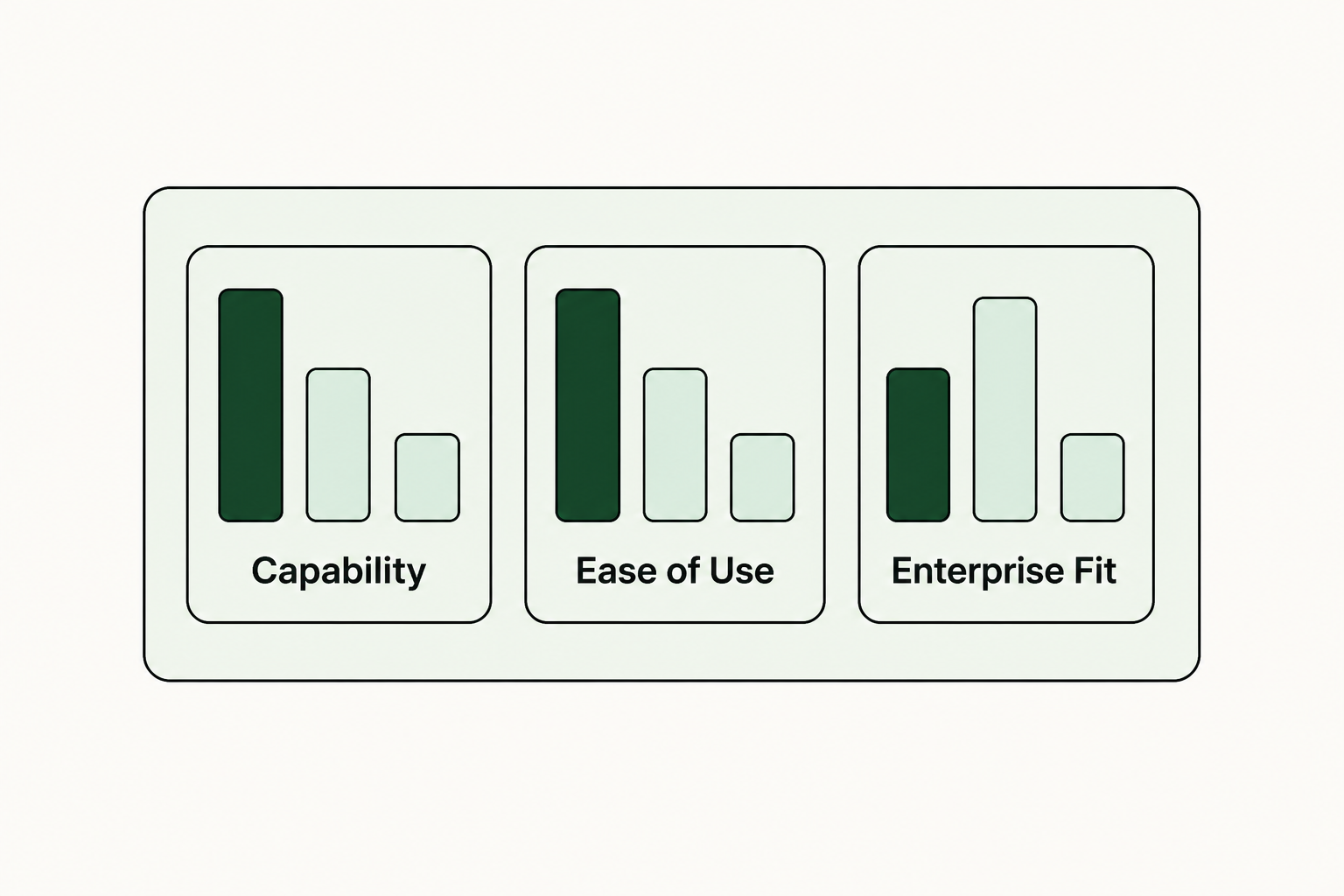
Evaluation scorecard: rating Upware across key enterprise dimensions
The headline score only matters if it survives the operational questions enterprise buyers ask before production. Buyers need to know who controls the action, how predictable the runtime path is, what implementation consumes, and whether procurement can model the cost clearly. Upware scores highest where it replaces fragile access patterns with deterministic workflows, and the review is slightly more cautious where buyers still need commercial detail and internal operating discipline before scaling.
| Evaluation dimension | Rating | Review judgment |
|---|---|---|
| Governed execution | 4.8 / 5 | Strong fit for agent actions that must be controlled, monitored, and auditable before reaching core systems. |
| Deployment velocity | 4.7 / 5 | Deployment in days and 0 engineering resources make the value case unusually direct for enterprise AI teams. |
| Runtime predictability | 4.8 / 5 | 100% predictability in runtime is a serious advantage when agents touch regulated or operationally sensitive workflows. |
| Cost discipline | 4.5 / 5 | Up to 80% lower token costs improves the economics of multi-step workflows, though buyers still need workload-specific modeling. |
| Commercial clarity | 4.0 / 5 | The operational numbers are clear, but public dollar pricing is not listed, so procurement requires a direct quote. |
Deployment velocity and resource footprint
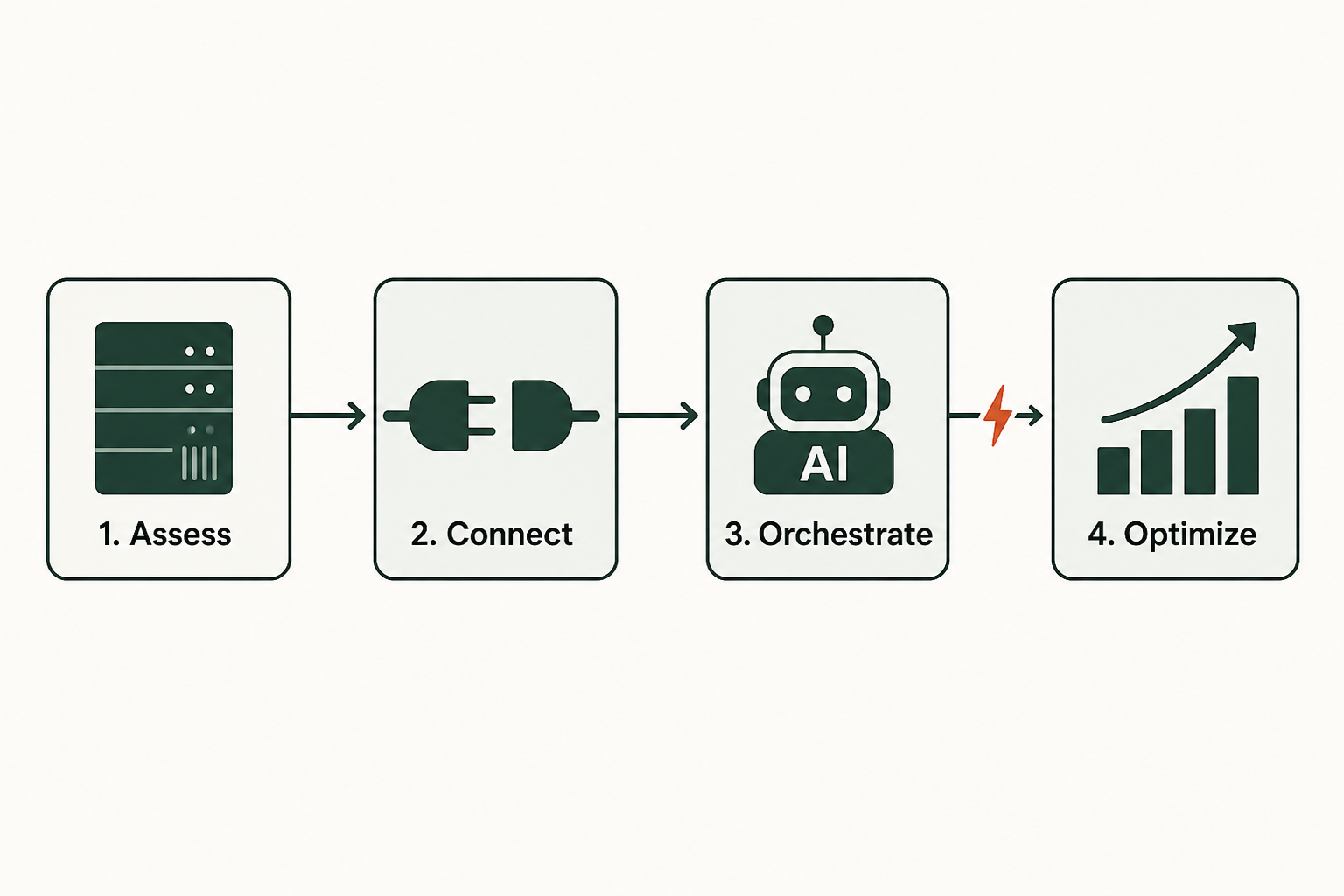
The most practical advantage is the implementation profile. If a team can deploy in days with 0 engineering resources, the limiting factor moves from integration capacity to governance readiness. That is a better constraint for an enterprise team to have. Instead of writing one-off connectors, the work shifts toward mapping approved workflows and deciding where human review belongs; teams also define what evidence the audit trail needs to preserve.
 Evaluation scorecard: rating Upware across key enterprise dimensions
Runtime predictability and token cost control
Runtime predictability is not a cosmetic metric in mainframe automation. A production agent cannot vary its execution path every time it handles a payment exception, claims update, booking change, or policy adjustment. Deterministic workflows matter because they make the action path reviewable before production and explainable after the fact.
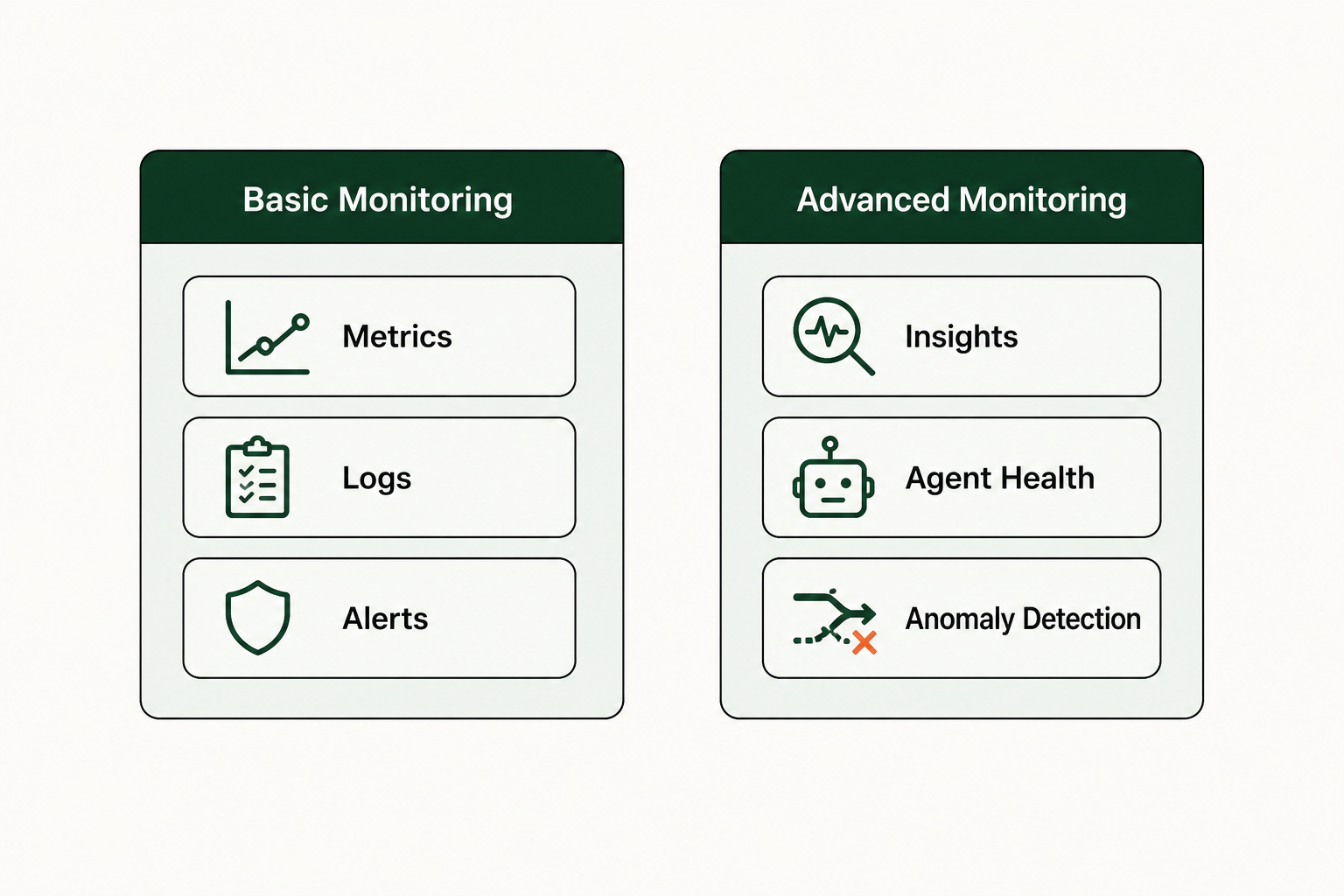
Token cost reduction matters for the same reason, although many teams underestimate it during pilot work. Agentic workflows can become expensive when the model repeatedly reasons through screens and instructions, then has to handle error states. A controlled execution layer narrows what the model has to process, which is why the reported up to 80% lower token costs are important to the business case.
The trade-offs: Upware pros and cons
Those scorecard numbers translate into a clear architectural bet. Upware is most persuasive when the buyer already accepts that AI execution has to be governed, not improvised, and wants the system access layer to enforce that discipline.
Pros
- Controlled access to legacy systems: The Agentic Harness gives agents a governed route into enterprise systems, including no-API systems, without asking teams to expose raw terminal access.
- Fast implementation profile: Deployment in days and 0 engineering resources directly address the usual blocker, which is scarce integration capacity.
- Predictable execution: 100% predictability in runtime supports compliance and audit, along with operational review for core workflows.
- Cost-disciplined operation: Up to 80% lower token costs can change the economics of multi-step agent workflows, especially where the same process runs at volume.
- Clear separation of reasoning and action: The agent decides what needs to happen, while deterministic workflows control how the system is changed.
Cons
- Not a mainframe modernization program: Buyers looking for rehosting, application rewrite strategy, or database migration need a different workstream.
- Not a generic RPA tool review problem: The product is built for governed AI execution across enterprise systems, not broad desktop automation.
- Quote-based commercial evaluation: Public dollar pricing is not listed, so procurement teams need a sales-led pricing discussion.
- Requires process ownership: A governed path still needs business owners to define which actions are allowed, when approvals are required, and what evidence belongs in the audit trail.
Architectural breakdown: traditional middleware vs. Agentic Harness
The trade-offs become clearer once you look at why older integration patterns strain under autonomous models. Mainframe automation for AI agents is a connectivity problem, but authorization, repeatability, and audit requirements shape it just as much. The trouble appears the moment an agent tries to change a system of record.
The failure modes of terminal scraping and custom middleware
Terminal scraping can work for narrow tasks, but it is fragile when screen layouts change, sessions time out, or the workflow depends on judgment across several systems. Custom middleware solves some of that fragility, but it often creates a long engineering dependency for each new workflow. In both cases, the agent ends up coupled to implementation details that operations teams would rather control centrally.
Mainframe engineering evidence reinforces the value of automation discipline. A Forrester economic analysis found that automation tools reduced mainframe change failure rates by 33% and application downtime by 99%, with a benefit valued at $1.3 million for the composite organization. That does not prove every automation approach is equal. It does show why repeatability and controlled change matter when core applications are involved.
Conversational agent platforms and agent engineering frameworks can be useful for building and orchestrating agents. They help teams design prompts and route tasks while coordinating model behavior. What they leave unresolved is the governed execution layer between agents and enterprise systems, especially where the target system has no clean API or cannot tolerate open-ended access. Upware centers on that layer instead: governed execution between the agent's reasoning and the system's transaction path.
How deterministic workflows decouple reasoning from execution
The cleaner architecture separates what the agent determines from what the system permits. The agent can classify the request and gather context, then choose the next approved action. The execution layer then runs deterministic workflows that have been mapped and constrained, with monitoring and logging applied throughout.
Gartner characterizes AI-augmented code modernization tools as using specialized AI agents, generative AI, and deterministic analysis to accelerate legacy system transformation. That phrasing is useful because it keeps both parts in view: AI can interpret complex legacy environments, but deterministic analysis and controlled execution remain essential when those environments carry business-critical state.
For mainframes, the Agentic Harness is the control point that prevents an agent from turning a terminal session into an unreviewed improvisation. It also gives architects a way to compare terminal automation approaches without confusing brittle replay with governed execution.
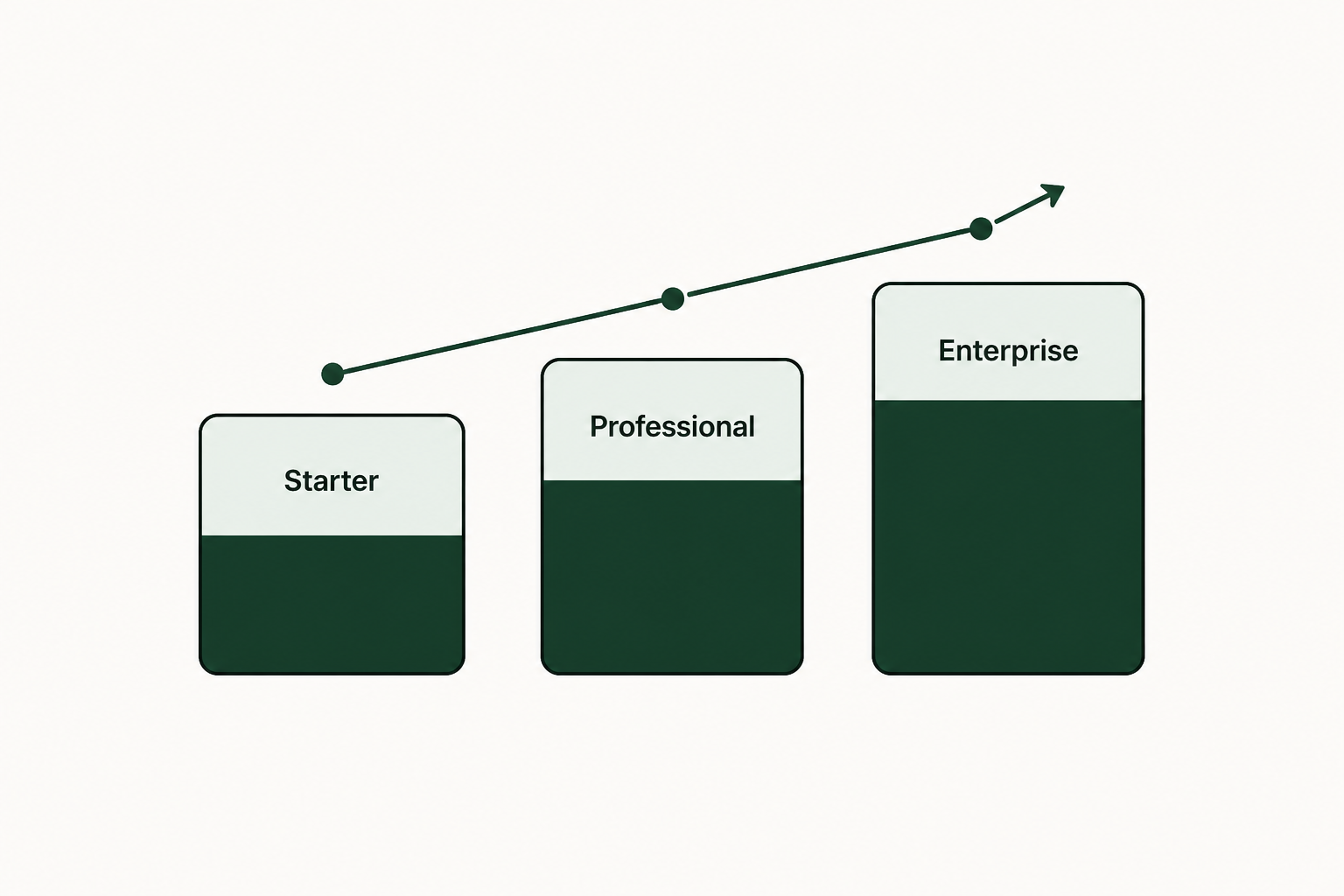
Pricing and commercial tiers
After the architecture question comes the commercial one: does a dedicated gateway make the economics cleaner than building another internal integration path? Public dollar pricing is not listed in the material reviewed for this evaluation, so buyers should treat pricing as quote-based and request a workload-specific proposal. The numbers that are available are operational: deployment in days, 0 engineering resources, and up to 80% lower token costs.
Standard platform tiers and consumption model
Because public package names and per-seat prices are not listed, the most practical way to evaluate pricing is to ask for a tiered proposal around the operating model you need. A serious enterprise quote should map cost to workflow volume, connected systems, compliance needs, and audit depth.
| Buying motion to request | What it should include | Published number available |
|---|---|---|
| Evaluation deployment | A bounded workflow, target system access, governance configuration, and runtime review | Deployment in days |
| Production rollout | Multiple approved workflows, monitoring, audit evidence, and controlled agent actions | 0 engineering resources |
| Enterprise operating model | Broader system coverage, policy controls, cost management, and reporting | Up to 80% lower token costs |
That structure gives procurement a cleaner comparison than a generic license line. Ask the vendor to price the Agentic Harness against named workflows and transaction volumes, not vague automation potential.
 Pricing and commercial tiers
Total cost of ownership vs. custom engineering
The strongest cost argument is the avoided build path. Custom middleware can appear cheaper at first because the first workflow is narrow, but every system variation, approval path, and screen state adds maintenance. If implementation really requires 0 engineering resources, the savings are not limited to the first deployment. They continue when new workflows are added without pulling scarce mainframe engineers into connector work.
The token-cost figure matters for the same reason. Up to 80% lower token costs suggest the platform is reducing repeated model reasoning by shifting work into controlled execution. For high-volume enterprise workflows, that changes the cost conversation from "Can the agent do it?" to "Can the governed path run it predictably at scale?"
Final recommendation: who should deploy Upware (and who should pass)
With those details established, the decision comes down to system maturity and security posture. Upware fits when an enterprise already has credible agent use cases, but the system access layer is blocking production.
Ideal profile: enterprise teams managing core systems
The best-fit buyer owns automation, enterprise applications, integration, or AI governance in a midsize-to-large organization with mainframes, legacy systems, homegrown tools, or no-API systems. The internal champion likely needs to satisfy security and compliance teams as well as application owners before agents can execute real transactions.
This approach also fits teams that have already learned a hard lesson: an agent demo is easy, but production action across enterprise systems requires authorization and audit. Pairing the platform with an AI agent authorization guide gives evaluators a clearer operating model for approvals and control, plus the evidence those decisions require.
When to look elsewhere
Pass if the actual project is cloud migration, database extraction, ETL design, or a broad RPA refresh unrelated to mainframe agent execution. Also pass if the organization is not ready to define approved workflows and accountable process owners. Governed execution only works when the business is willing to specify what the agent may do.
For the right enterprise team, Upware answers a narrow but urgent production question: how to let agents act inside core systems without handing them unmanaged access.
Bring safe AI agent execution to your mainframe automation.
Explore the platform on your own or connect with our technical team to discuss your architecture.
Frequently asked questions
What is the main benefit of using a governed execution layer for mainframe automation?
The main benefit is control. A governed execution layer lets AI agents reach legacy systems through approved workflows, rather than through open-ended terminal access or custom scripts. That matters because the platform reports 100% predictability in runtime and up to 80% lower token costs, which are both tied to making execution repeatable instead of leaving every step to model reasoning.
How long does it take to see results when automating legacy mainframe workflows?
The reported deployment profile is measured in days, not months. That does not mean there is no setup work, because teams still need to define the workflow and approval model, along with audit requirements. It does mean the implementation path is designed to avoid a custom engineering program, with 0 engineering resources reported for deployment.
How much does an enterprise deployment cost in engineering resources?
The reported implementation requirement is 0 engineering resources. For enterprise buyers, that is the main commercial point to validate during procurement, because engineering capacity is often the hidden cost in mainframe automation. Ask the vendor to map that claim to your systems and workflows, then to your internal approval model.
Who is this mainframe automation approach built for?
It is built for enterprise teams that need AI agents to execute work across mainframes and legacy systems, plus homegrown applications and no-API systems under governance. It is especially relevant when security or process owners will not permit unrestricted agent access, but the business still needs agent-driven work to happen inside core systems. Book a demo to choose the right mainframe automation platform today.